It’s been a year and five months since I decided to raise a 3-month-old puppy as a 23-year-old, and I would not take it back for anything in the world. I won’t lie, there were a few times in that first month and a half that was overwhelming and I felt like I wouldn’t be able to do it. All the barking, crying, and potty training can be overwhelming, but the biggest thing that helped me was to build a routine and take it all step by step. If you are looking to take in and adopt a dog here are a few things I wish I had known beforehand.
POTTY TRAINING A PUPPY
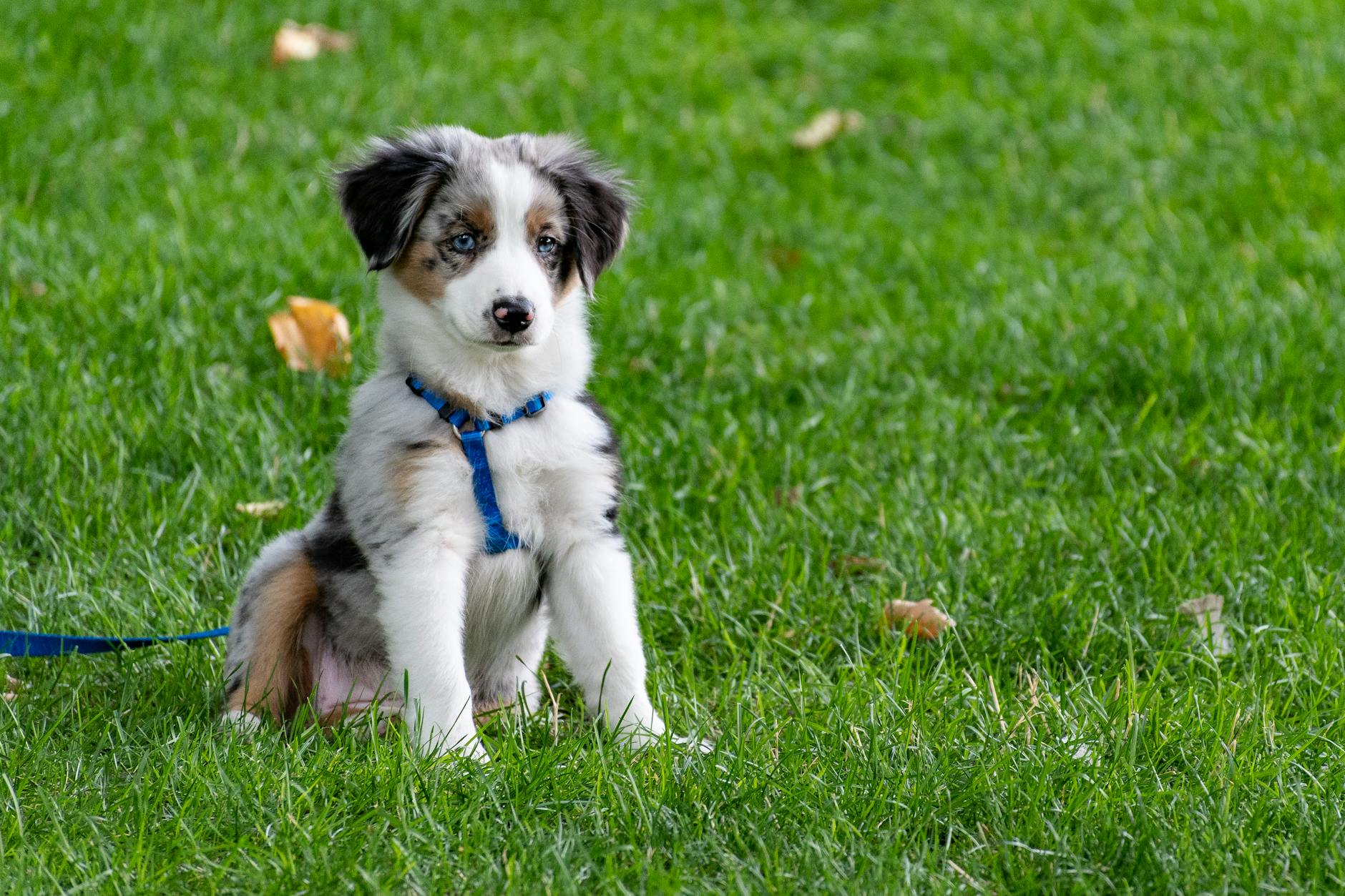
Take them out after every time they eat, drink water, wake up, and play. Little by little try to lengthen the time you take them out.
As soon as you see them giving signals of wanting to pee, pick them up and take them outside rewarding the behavior- some puppies smell around a lot or they will go around in circles.
CRATE TRAINING

If you want your pup to eventually be able to free roam the house without destroying the place, even when you are out- crate training will be your best friend.
Leave treats/lick mats in crate: The trick is to associate the crate as a positive and safe space for the pups to want to be there. Lure them in with a lick mat until they are inside the crate. Once in, wait around a minute or two to close the latch for short periods of time while still rewarding them with treats and including words of reinforcement like “good job”, “yes”, or “good girl/boy”.
Daily training: You want to keep training them being in the crate every day. Work on leaving the room for a few minutes and then coming back to let them out. Little by little encouraging longer periods of time in the crate. But please keep in mind that puppies should not be left inside the crate for more than one or two hours.
TEETHING STAGE
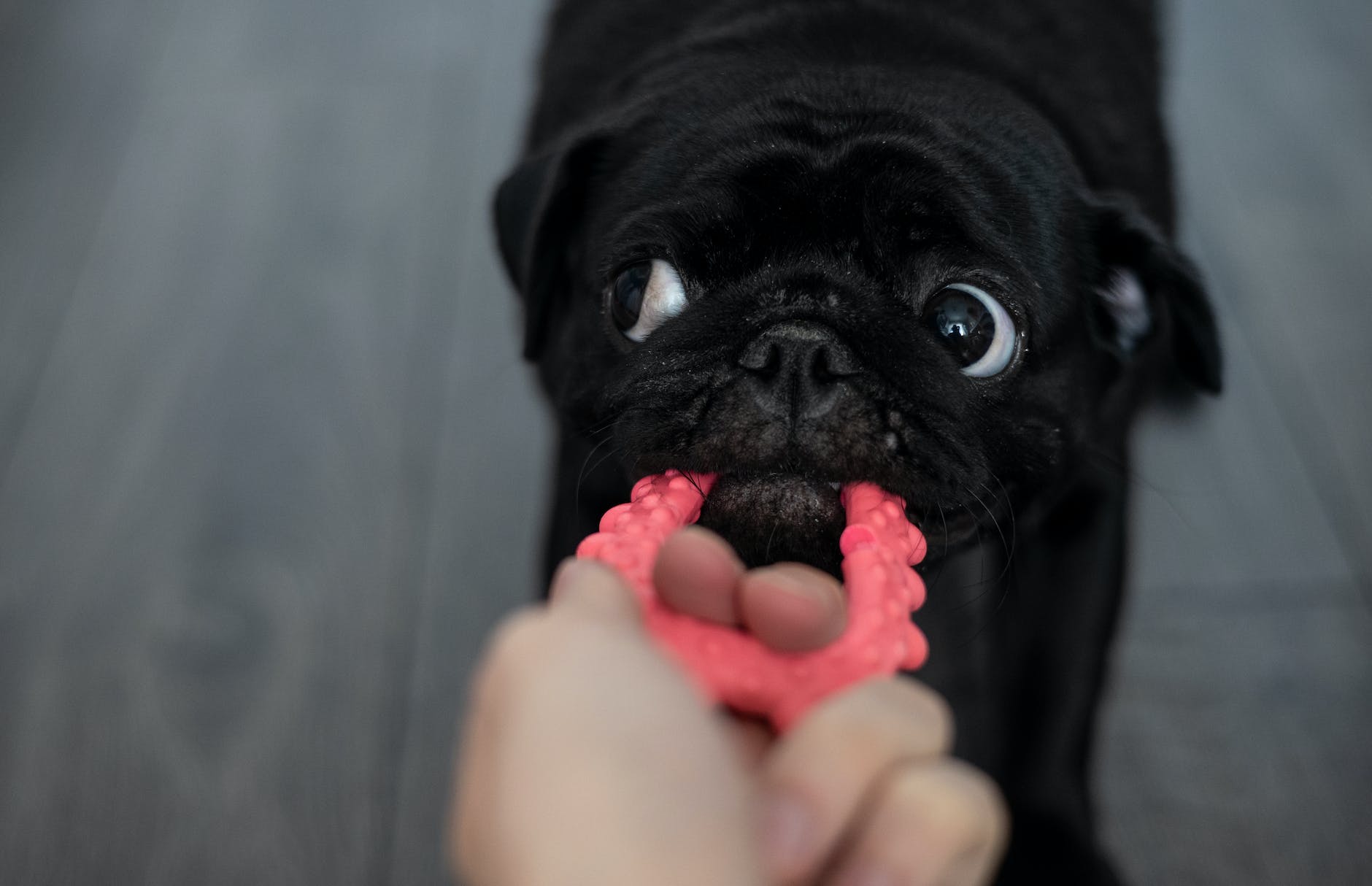
At around four months, puppies will start loosing their baby teeth. To reduce the discomfort of their gums, they will start chewing on anything they can see. The good thing about this is you can take this time to teach them what they can and cannot chew.
Puppy-safe teething toys: Invest in puppy-safe toys that will actually indulge their teething instincts and pain. I learned this the hard way; spending money on different teething toys until I found the right one that my pup actually used and soothed his teeth (list of puppy-safe toys here). But be watchful when your pup is chewing on the toys, as they may be biting pieces of it.
VET VISITS
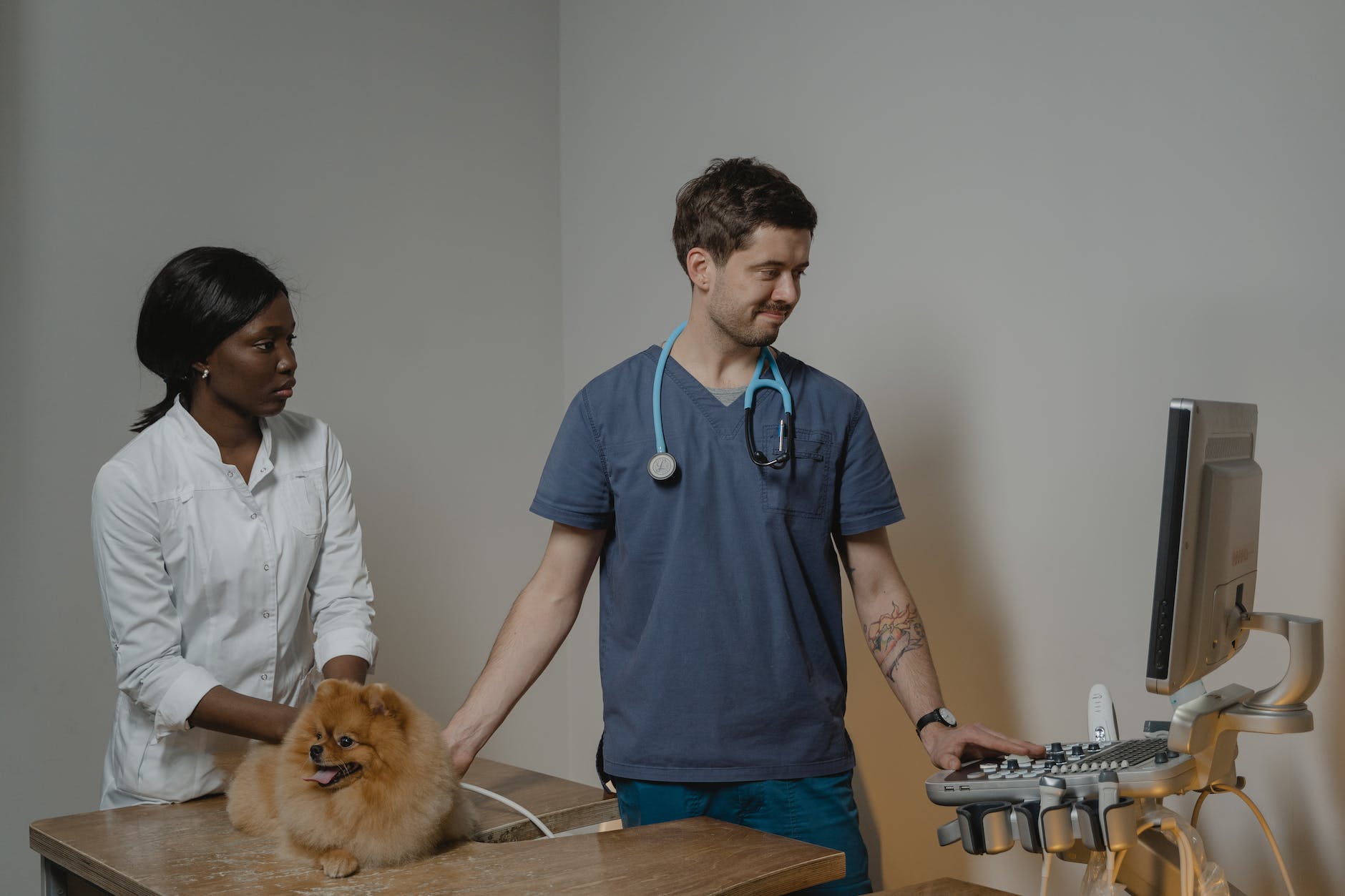
Choosing a vet is important as your pup will be in their care, so do some research, look at reviews, and ask for references if you know other dog owners nearby. If finance is in the back of your mind, give the offices a call to ask about costs of services and compare with others.
Having a good vet experience: The first time visiting the vet is crucial for the long-term, so make it a good experience for your pup. Although the pups will always be anxious with the unfamiliar scents of other dogs, noises, present dogs, you can always reduce their anxiety when going to the vet.
Easing your pups anxiety: When I took my puppy to the vet, they advised me to touch and hold their paws, check their ears, restrain them, and checking their teeth to get them used to it when they go to the vet. Of course, always praising and giving them treats so they can get a good experience. This has been a lifesaver and now whenever we go to our vet visits, he is such a good boy that even the vet is always surprised of how good he is.
Visiting the Vet Occasionally: I have learned that if you keep taking your pup to the vet everytime they need a shot, exam, etc. they will always fear going to the vet. Therefore, I usually try to take my pup to the vet whenever I have to pick up some medications, pay the bill, or drop off a fecal exam. Then they will take a positive experience out of visiting the vet – even better if they get treats and pets when they visit!
GROOMING
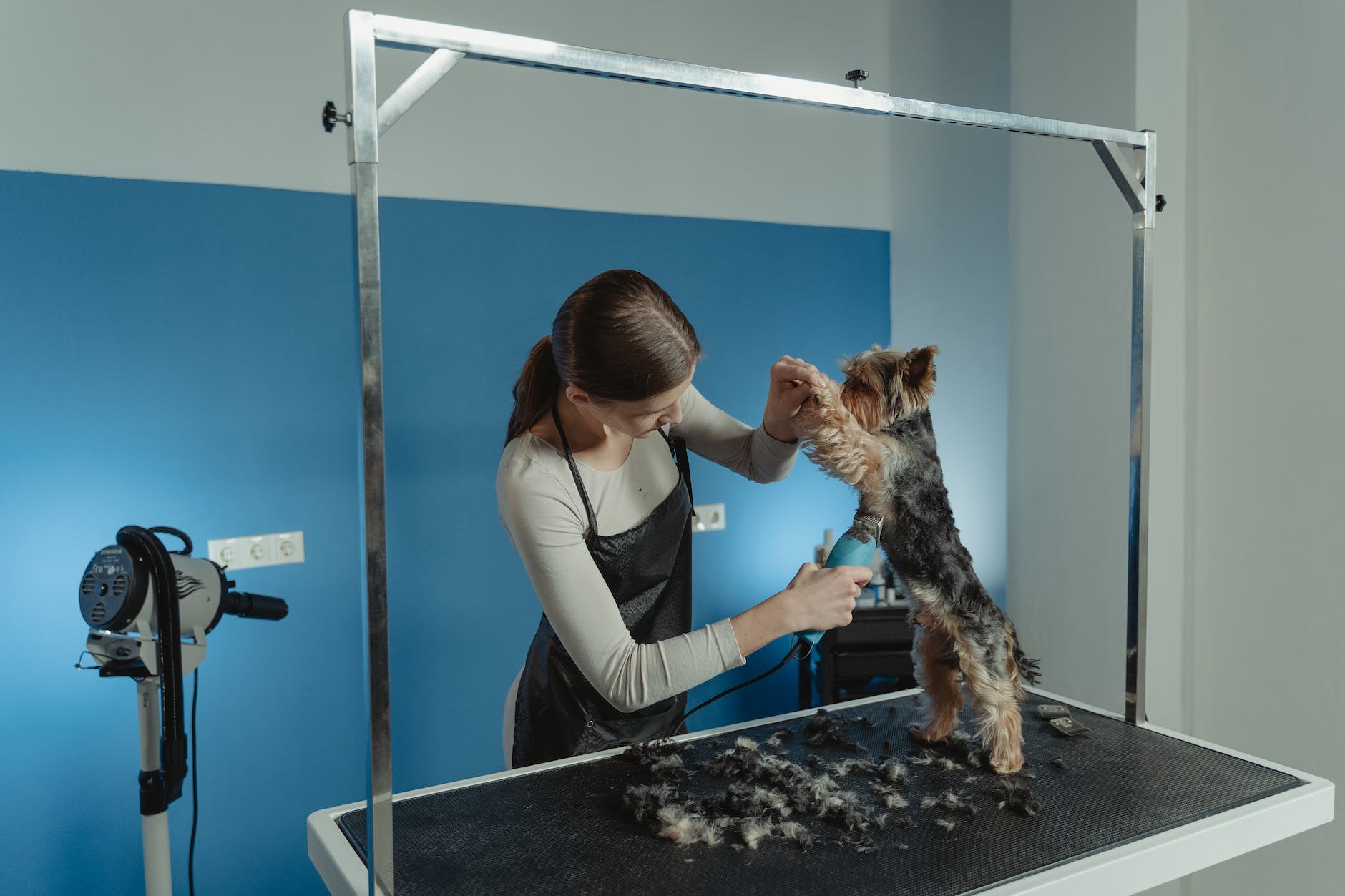
Easing anxiety to having a positive grooming experience: Around 10-12 weeks old is when a pup should start being groomed. When I first got my pup he was 3 months old and by this time he was in desperate need of a bath and cut. If its their first time, what was recommended to me that I want to share with you all is to start slow. First start off with either clipping their nails or just trimming their private parts, face, and paw pads. Then next time you can start with just a bath, and little by little you will eventually be able to work your way to giving them a whole bath, cutting the whole body, and clipping their nails in one go.
The key to giving your puppy the best life with little anxiousness possible is being patient, giving them praise (cuddle/pets, treats, or cues), training daily, giving them physical exercise, and just bonding with them since we have them for a small amount of our life. But we- we are the only person in their life.


Leave a Reply